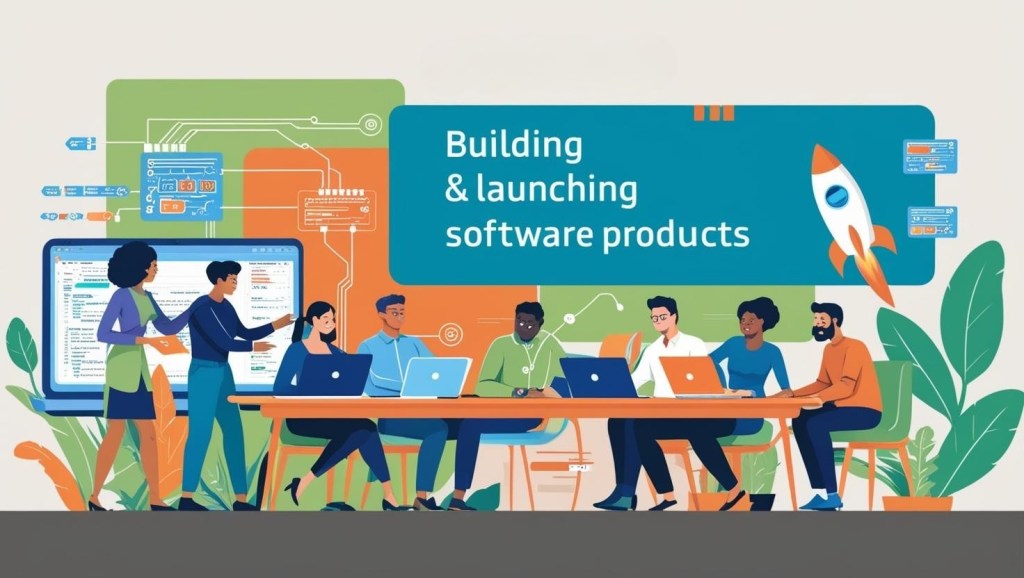
Launching a new software product is a significant milestone for any business. It represents the culmination of innovation, strategic planning, and a deep understanding of market needs. However, the path to a successful software product launch is fraught with challenges.
According to a report by MIT Professional Education, nearly 30,000 new products are introduced each year, and 95% of them fail. This statistic underscores the importance of a well-executed launch strategy. A successful software product launch requires more than just a functional product; it demands a comprehensive approach that includes market research, clear value propositions, and effective communication with the target audience.
Understanding the market, aligning the software product with customer needs, and ensuring internal team coordination are critical components of a successful launch. By focusing on these areas, businesses can increase the likelihood of their software product gaining traction and achieving long-term success.
Steps to Successfully Launch a New Software Product
Launching a new software product requires more than building something that works. It involves strategic planning, careful preparation, and an understanding of both customer expectations and market realities. Each stage of the launch process builds on the one before it, and skipping steps can lead to setbacks. From idea validation to customer support readiness, businesses must focus on delivering a complete and polished experience. The following steps outline how to move from idea to impact with a successful software product launch.
Start with Idea Validation
Before investing in software product development, it is essential to confirm that the idea solves a genuine problem. Identifying real user pain points helps ensure the new software product has demand. Market research is a key first step. It involves studying industry trends, conducting competitor analysis, and listening to potential users.
Surveys, interviews, and test campaigns can provide valuable insights. These help in refining the software product vision and determining what features should be prioritized. Validating the idea early avoids the risk of building a solution no one wants. It also makes communication with stakeholders clearer by showing how the new software product stands out in the existing landscape.
Define a Clear Software Product Vision
Once the idea is validated, the next step is to establish a focused product vision. This includes setting long-term goals, identifying target users, and outlining how the software product will provide value. A strong vision acts as a guiding principle throughout the software product lifecycle.
Clarity in vision helps software product development team members stay aligned. It allows software developers, designers, and marketers to work with a shared understanding of what they are building and why. A defined vision also ensures that the product’s core features are built with purpose, reducing unnecessary complexity during software product development.
Build a Strong and Aligned Team for Software Product Development
A successful software product launch depends heavily on the people behind it. Assembling a capable and cross-functional team early can make the entire process smoother. This includes software developers, designers, testers, marketers, and product managers working together toward shared goals.
Clear roles and open communication help the team stay on track. Each software development team member should understand their responsibilities and how their work contributes to the launch. A well-aligned team avoids delays, handles last-minute challenges more efficiently, and ensures all aspects of the software product development process are coordinated and consistent.
Develop a Minimum Viable Product (MVP)
Instead of launching with a full-featured version, many businesses choose to begin with a minimum viable product. An MVP focuses on core functionality that delivers immediate value to users. It is built quickly, tested with a small user base, and refined based on feedback.
This approach reduces the risk of failure by allowing improvements before a broader release. It also speeds up time-to-market. With fewer features to manage, the team can focus on stability, usability, and overall user satisfaction. An MVP serves as a foundation that grows through real-world insights rather than assumptions.
Create a Go-To-Market Plan for Software Product
Even the best software product needs a smart plan to reach its audience. A go-to-market strategy outlines how the new software product will be introduced, promoted, and delivered to users. It covers essential elements like pricing, messaging, positioning, and the selection of sales and marketing channels.
Knowing where the audience spends time is key. Whether through email campaigns, partnerships, online ads, or content marketing, the messaging should clearly explain how the product solves real problems. A well-structured plan ensures that the software product launch gains attention and generates interest from the right people at the right time.
Prepare Infrastructure and Customer Support
Technical readiness is just as important as product features. Before the launch, it is important to ensure that the infrastructure can handle expected traffic, user activity, and scaling needs. This includes backend servers, cloud services, and monitoring systems that can quickly detect issues.
Customer support must also be ready from day one. Helpful onboarding resources, such as guides or tutorials, make it easier for users to start using the software product. At the same time, trained support teams can assist users and resolve any problems quickly. Together, infrastructure and support create a smooth experience that builds early trust.
Launch the Software Product with Precision
The actual launch of a software product is a critical moment that should be carefully managed. Timing matters, as does coordination across teams. From the technical side to marketing efforts, everything should come together for a smooth rollout. Planning ahead ensures the launch happens without confusion or delays.
Announcements across platforms, press releases, and early access invitations can help generate initial buzz. At the same time, teams must stay ready to monitor performance and user activity in real time. Quick responses to technical issues or user questions show reliability and help build positive impressions from the start of the software launch.
Gather Feedback and Improve Post-Launch of Software Product
The work does not end after the software product goes live. In fact, real growth begins with what happens next. Listening to user feedback and tracking how people interact with the software product gives insight into what works and what needs improvement.
A clear post-launch support plan for software development helps structure this phase. Analytics tools measure engagement, retention, and other key performance indicators. Support tickets, feature requests, and customer reviews provide valuable input for future updates. By acting on this information, businesses can strengthen the product, improve satisfaction, and build momentum beyond the initial software product launch.
Conclusion
Launching a software product is a process that involves careful preparation, ongoing coordination, and a deep focus on the end user. From validating the idea to refining it post-launch, each stage plays a vital role in shaping the product’s success in the market. Businesses that approach this journey with clarity and a structured plan are more likely to gain early traction and long-term growth.
Focusing on customer needs, building the right team, and aligning internal efforts create a strong foundation for any software product. As markets continue to evolve, the ability to adapt based on real feedback becomes a competitive advantage. Leading among the top software development companies have shown that success is not only about the launch itself, but also about how well a business listens, learns, and improves after the new software product reaches users.
With a thoughtful and disciplined approach, businesses can turn an idea into a software product that not only enters the market effectively but also stays relevant in the long run.
 SoftWave Tech
Leave a comment